Know what your association actually requires
Every HOA has governing documents, and most have landscape or architectural guidelines on top of them. Read the parts that cover lawns, beds, trees and plant changes.
Many violation letters come from rules the homeowner did not know existed. Knowing the standard is the first step to meeting it.
If something is unclear, ask the management company in writing and keep their answer.
The usual reasons for a letter
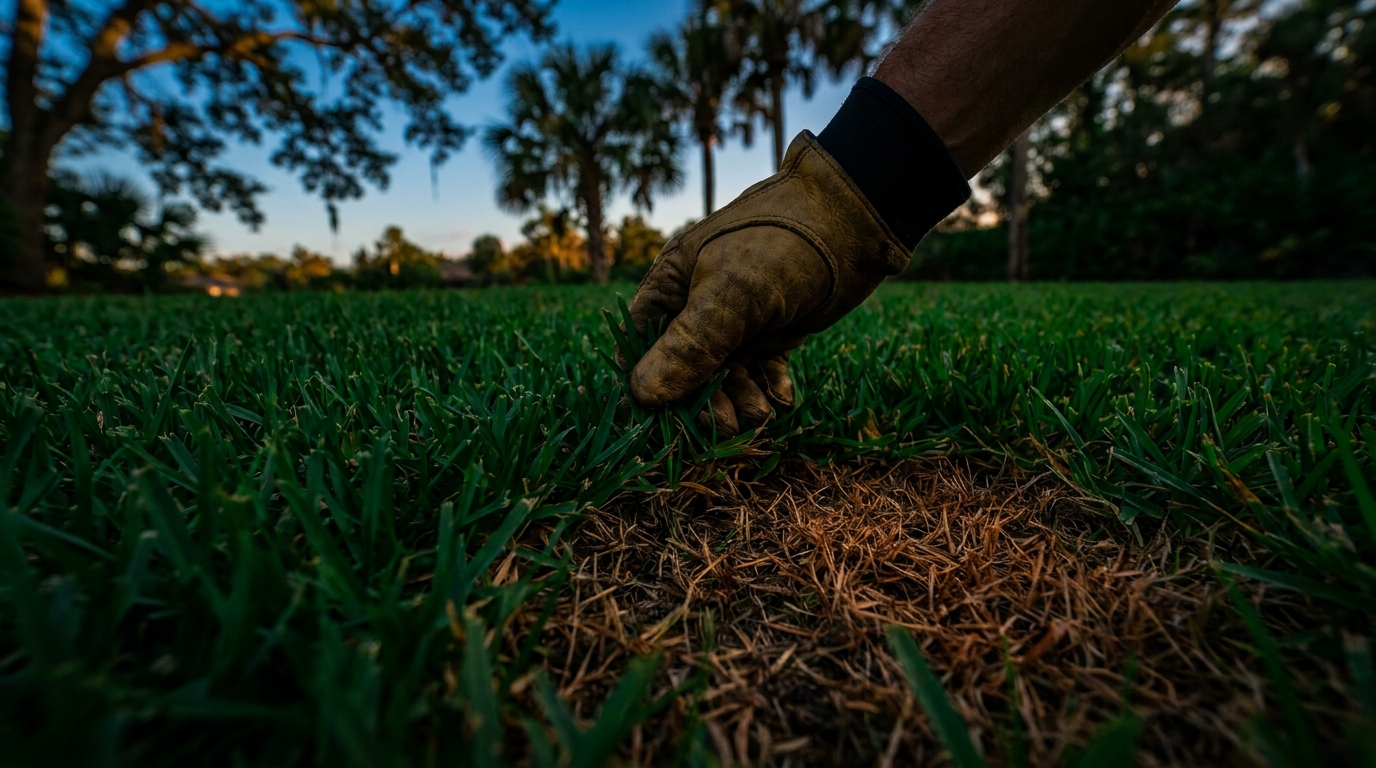
Most lawn violations fall into a short list: grass too tall, weeds in the lawn or beds, dead or brown patches, overgrown hedges and shrubs, and missing edging along walks and curbs.
Bed problems are common too. Thin or faded mulch, weeds coming through and dead plants that were never replaced all get noticed on a drive-through inspection.
Almost all of these are about consistency. A lawn that looks great one week and shaggy the next is the one that gets the letter.
When the letter arrives
Read it carefully. Note exactly what was cited and the deadline to fix it. Then fix it, take photos and send them to the association in writing.
If you need more time, for example to wait for the right season to resod, ask for it in writing before the deadline. Associations are often reasonable when you show a plan.
Florida law generally requires associations to give notice and an opportunity for a hearing before fines are imposed. If you think a violation was issued in error, use that process and keep your records.
Changing your landscape the right way
If you want to replace turf, change beds or plant something new, get approval from the architectural review committee before the work starts. Unapproved changes can turn into a violation of their own.
Florida law limits an association's ability to ban Florida-Friendly landscaping, but associations can still set standards for how a yard looks and is maintained. Submit your plan and get it approved first.
Stay off the list for good
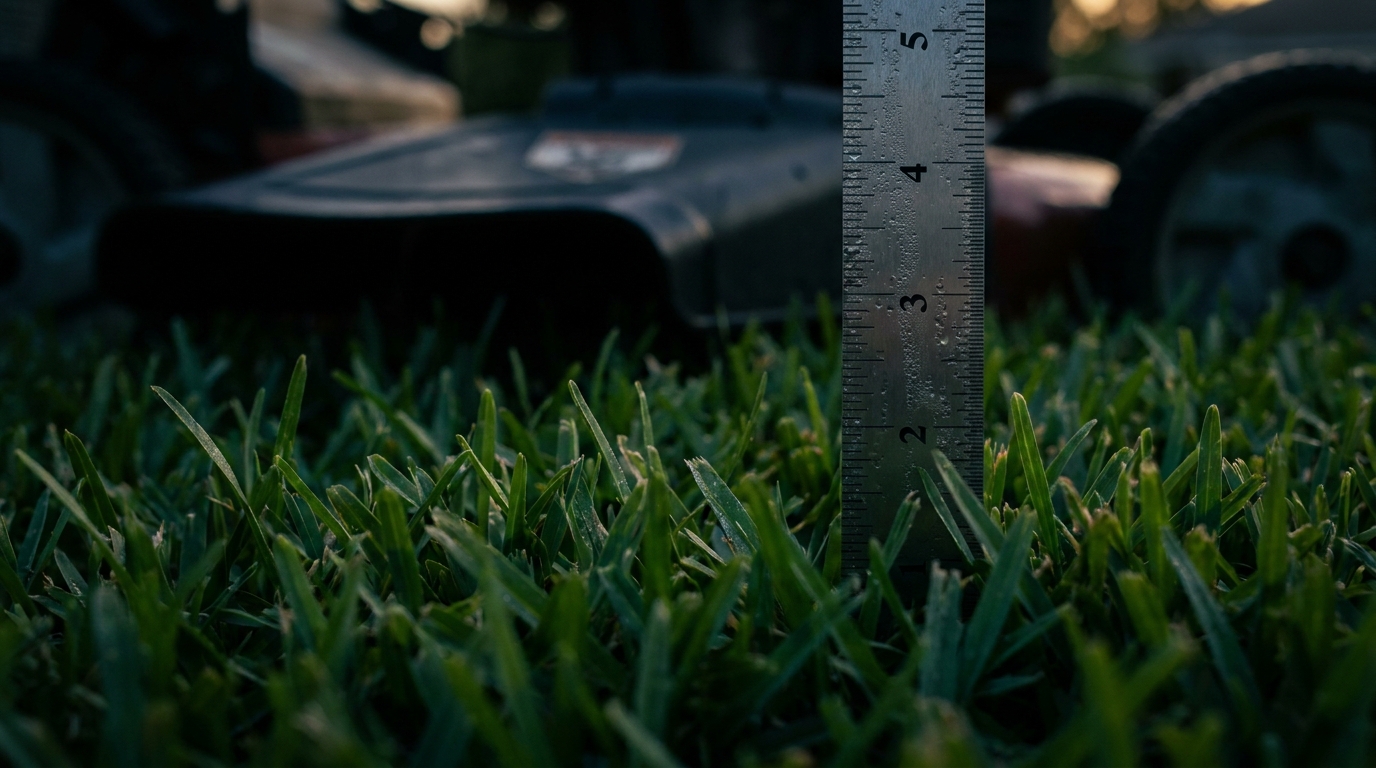
The fix is a regular routine. Mowing at the right height on a set schedule, crisp edging, trimmed hedges and maintained beds keep a property in line with nearly any HOA standard.
Corso maintains homes and full communities to a consistent standard, and we know what associations look for. If you want letters to stop, send us your property details through the quote form at /#quote.